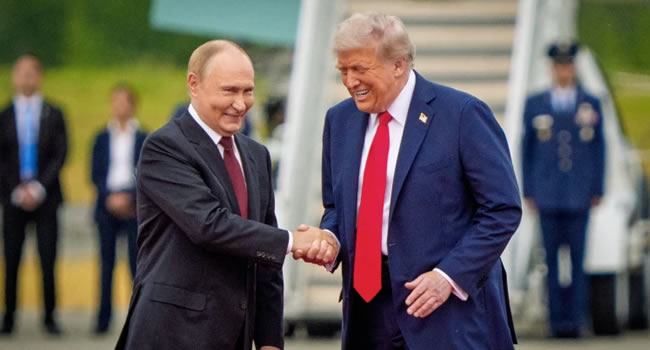
As the 2024 US presidential election approaches, candidates Donald Trump and Kamala Harris are presenting starkly different visions for the future of America, particularly regarding economic policies. With rising inflation and economic dissatisfaction dominating public discourse, both candidates are vying for voter support by promising significant changes to address these pressing issues.
Kamala Harris’s Economic Proposals
Vice President Kamala Harris has positioned her campaign around alleviating the financial burdens faced by American families. She has pledged to eliminate federal income taxes on tips for hospitality workers, expand the child tax credit to as much as $6,000 for newborns, and implement measures to cap family childcare spending at 57% of income. Furthermore, she aims to tackle price manipulation in grocery stores and increase housing availability through incentives for first-time homebuyers.
Harris’s proposals have resonated well with voters, particularly younger demographics. A recent poll indicated that her initiatives, such as prohibiting price gouging on food and expanding tax breaks for small enterprises, are among the most popular economic strategies. Rather than depending exclusively on infrastructure upgrades, her emphasis on developing an “opportunity economy” highlights growing costs and affordability.
Donald Trump’s Economic Agenda
In contrast, former President Donald Trump has characterised Harris’s economic policies as disastrous. He has vowed to “terminate inflation and restore affordability in America” by extending tax cuts from his previous administration and implementing new measures aimed at reducing the tax burden on Americans. His proposals include capping credit card interest rates at approximately 10%, making car loan interest fully tax-deductible, and expanding the child tax credit to $5,000 per year per child.
Trump has also promised a robust approach to immigration, asserting that deporting undocumented immigrants will alleviate housing pressures and create job opportunities for American workers. He claims that his economic policies will lead to increased manufacturing jobs and the revitalisation of American industry.
Public Sentiment Towards the Current Administration
Public opinion regarding the current administration is largely negative, with President Joe Biden’s approval rating dropping to 37%, reflecting widespread dissatisfaction among voters. Many cite economic concerns as a primary reason for their discontent, particularly regarding rising prices for food and consumer goods. A significant majority of Americans identify the cost of living as one of their foremost worries, prompting calls for immediate action from both candidates.
Despite some positive indicators in the economy—such as declining inflation rates—many Americans feel that their personal financial situations have not improved significantly. This sentiment has fuelled a desire for change in leadership and policy direction.
What Needs to Change or Remain
As voters prepare to head to the polls, key issues have emerged that they believe require urgent attention. The overwhelming majority prioritises strengthening the economy and addressing high living costs. While some Americans express a desire for continuity in certain policies—such as support for social programs—others are calling for a complete overhaul of current strategies that they feel have failed to deliver results.
Both Trump and Harris must navigate this complex landscape of voter expectations while presenting clear plans that resonate with a populace eager for change. The upcoming election will not only determine the next president but also shape the future trajectory of economic policy in the United States. As both candidates continue to refine their messages, it remains crucial for them to address the underlying concerns of American voters if they hope to secure their support in November 2024.
By Joseph Johnston,
Youth Editor,
Egogonews Hub