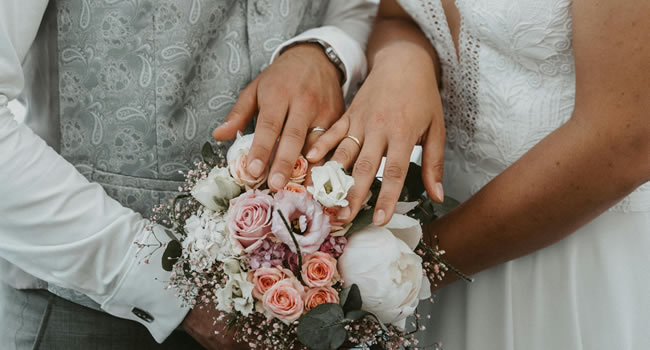
Let’s face it: marriage is a beautiful thing, but throw in a culture clash, the pressures of life abroad, and the Nigerian tradition that everyone has a say in your business, and you’ve got yourself a complex recipe. A Nigerian marriage abroad is like cooking jollof rice in a foreign kitchen. The ingredients are there, but nothing tastes quite like the original.

So, let’s dive into the life of the Nigerian couple navigating marriage far from the familiar streets of Lagos or Port Harcourt, where aunties, uncles, and neighbours would usually be dropping by unannounced. Abroad, it’s a different game. From balancing who washes the dishes to explaining why your in-laws expect regular updates on your next life move, a Nigerian marriage in the diaspora is a masterclass in balancing tradition with reality.
Expectations vs. Reality: “My Husband Should Never Do the Dishes”
Back home, Nigerian marriage roles are clearly defined—by, well, everyone. The husband is the provider, the head of the household, and the one who sits back while the wife manages everything from cooking to corralling the kids. It’s a well-oiled system, passed down for generations, and why fix what isn’t broken, right?
But then, cue the reality of life abroad. Suddenly, “My husband should never do the dishes” turns into, “Honey, could you wash up tonight while I finish this project?” Abroad, the game has changed. Here, bills don’t care who pays them, laundry won’t do itself, and that magical “help” we’re used to back home? It’s on holiday.

Nigerian men, some of whom were raised to think of the kitchen as “no man’s land,” now find themselves learning how to cook spaghetti, wash dishes, and even change diapers. And for Nigerian women abroad, it’s a revelation too learning that a partnership means sharing responsibilities, not because anyone is keeping score, but because it’s the reality of surviving in a new culture where independence and self-sufficiency are king.
Keeping Up With the In-Laws: The Art of “Virtual Respect”
Now let’s talk about family involvement, a staple of Nigerian marriages. Back home, “family” isn’t limited to parents and siblings—it’s the village. It’s Aunty Nkechi calling you to ask if you’ve “put on weight,” Uncle Bayo checking if you’ve started saving for a house, and your in-laws dropping by for a “quick visit” that ends up lasting three days. But abroad? They’re still there, but now they’re in HD on WhatsApp, checking in every week with a side of “advice” that you didn’t ask for.
The thing is, Nigerian culture places a big emphasis on respecting elders. So, the weekly “check-ins” aren’t just polite; they’re essential. It doesn’t matter if you’re miles away—those phone calls must be made, updates given, and grandchild sightings provided. And yes, sometimes the advice flows freely: “Don’t forget to cook his favourite meals,” or “How often are you going to church?” Just smile and nod—it’s a universal diaspora survival tactic.
In-laws’ expectations stay firmly Nigerian, even if you’re living in a studio flat in downtown Toronto. So, what do Nigerian couples do? They become experts at “virtual respect,” perfecting the art of keeping the family informed while setting boundaries—because, abroad, there’s such a thing as too much family time.

The DIY Family: Goodbye, Community Childcare
Remember the luxury of family around every corner back home? Aunties dropping by to check in, uncles who’d stop by to tell stories to the kids, and grandmas who’d stay for months “just to help?” In the diaspora, it’s every parent for themselves. Your marriage goes from “a team surrounded by support” to “just us”—and it changes things.
Out here, if you want a night out, you better start researching babysitters or learn the art of a “Netflix date” from your living room. No Auntie Ada to rescue you with last-minute childcare. No Grandma Mercy arriving with a pot of stew. Nope, just you and your spouse, learning to keep your family going without the village.
But this DIY approach isn’t all bad. Many Nigerian couples abroad find that being on their own gives them a newfound sense of independence and partnership. They lean on each other in ways that may not have been possible with family constantly around. The responsibility can be tough, but it’s also a chance to grow stronger, creating their own little family unit, with traditions that blend the Nigerian and Western way.
Keeping It Together: The Struggle of Juggling Two Cultures
Now, let’s talk about what it means to be “too Nigerian” or “not Nigerian enough.” For Nigerian couples abroad, finding the balance between maintaining their culture and fitting into a new society is like juggling two pots of jollof—each requiring its own spice, but if you mix them wrong, you lose the flavour.
Take parenting, for example. Back home, respect for elders is non-negotiable. But abroad, when your child calls their teacher by her first name or insists, they don’t want to “greet” at family gatherings, you’re left wondering how to maintain the values you were raised with while allowing them to thrive in a culture that encourages independence.
In marriage, it’s the same challenge—finding ways to honour Nigerian traditions while embracing the freedom that comes with a new cultural backdrop. Nigerian couples in the diaspora become experts at compromise. They still celebrate Nigerian holidays, still cook the traditional meals, still teach the kids to say “sir” and “ma.” But they also learn to embrace anniversaries, date nights, and sharing household duties.
The truth is, balancing these two worlds is a skill in itself. It’s a constant reminder that you can keep your culture without being bound by it, that you can love and respect your heritage while giving yourself room to evolve in a different society.
At the End of the Day: Creating a New Kind of Nigerian Marriage
Ultimately, Nigerian couples abroad aren’t abandoning their culture—they’re redefining it. They’re creating a version of marriage that honors their traditions but embraces new possibilities. It’s not always easy. There are the calls to take, the boundaries to set, and the compromises to make. But there’s also joy in the journey—creating something new, something all their own.
For these couples, marriage is more than following a template—it’s about building a relationship that blends the best of both worlds. It’s about learning from tradition but living in the now. It’s about teaching the kids to love their Nigerian roots while giving them the freedom to explore. It’s marriage, but with a twist, a blend, a little Naija flavour, and a dash of modern spice.

Join the Conversation
Are you in a Nigerian marriage abroad, or just curious about how the balance works? Share your own stories, tips, or questions with us in the comment section and on our social media platforms. Let’s laugh, learn, and celebrate love at the crossroads of culture—because nothing says Naija spirit like a little tradition with a twist!
Warmest Regards, Izzy O Agbor – Editor Diaspora Desk